Indian Wedding Tent Design Ideas for Memorable Celebrations
Indian weddings are known for their scale, color, and extended guest lists. A 500-person guest count is common, and some celebrations host over 1,000 guests across multiple days of events. Wedding tents designed for the Indian market must handle these large numbers while maintaining comfort and visual appeal in varied climates, from the humid coastlines of Kerala to the dry heat of Rajasthan.
Over the years, India wedding tent designs have evolved to match both traditional expectations and modern aesthetics. The right tent not only shelters guests from sun and rain but also sets the tone for the ceremony, reception, and pre-wedding functions.
Popular Roof Styles for Indian Wedding Tents
The roof design is the most visible part of any wedding tent, and Indian events favor several distinct styles:
Cone roofs provide a traditional look that pairs well with mandap-style ceremony setups. The single central peak draws the eye upward and creates a natural focal point for the altar area. These tents work particularly well for smaller gatherings of 200 to 400 guests.
Dome and multi-peaked roofs offer more ceiling height across a wider footprint, making them suitable for reception dinners where centerpiece decorations and chandeliers hang above the tables. A multi-peaked structure can cover a 30-meter by 50-meter area without internal columns, giving event designers an unobstructed floor plan.
Tower roofs add vertical drama. A central tower rising 8 to 10 meters above the main hall creates a grand entrance effect. Flanking lower sections house the dining and lounge areas. This three-tiered layout is a common choice for high-budget weddings in cities like Delhi, Mumbai, and Ahmedabad.
Transparent roof panels are increasingly popular for daytime events. They let natural light flood the interior, reducing the need for artificial lighting during afternoon ceremonies while creating a bright, airy atmosphere. At night, the same panels allow guests to see fireworks and starry skies from their seats.
Choosing the Right Tent for Venue and Climate
India’s diverse geography means the same tent design does not work everywhere. In coastal regions such as Goa and Chennai, high humidity and salt air require aluminum frames with corrosion-resistant coatings. PVC fabric covers with UV protection are essential in the intense sun of Gujarat and Maharashtra.
For venues in Rajasthan and Madhya Pradesh, where summer temperatures exceed 40 degrees Celsius, tents with double-layer roofs and side-wall ventilation panels improve airflow. Wedding tent suppliers now offer integrated cooling options — evaporative coolers for dry regions and portable air conditioning units for humid areas — making year-round events comfortable.
Mountain venues in Himachal Pradesh and Uttarakhand face cold evenings even in summer. Insulated wall linings and enclosed base skirts help retain heat. Some event organizers layer traditional fabric drapes over the tent’s interior surface, which adds both insulation and decorative value.
Capacity Planning and Layout Considerations
Indian weddings typically involve multiple functions: the sangeet, mehendi, ceremony, and reception. Each has different space requirements. A tent manufacturer can advise on sizing. You can also see large tent decoration ideas from past events for inspiration — a 20-meter by 40-meter clear-span structure seats roughly 500 guests banquet-style with room for a stage, buffet stations, and a dance floor.
For multi-day events, organizers often use a combination of connected tents. The main reception tent links to a separate dining pavilion and a dedicated stage canopy for the ceremony. This zoning approach lets guests move between areas without stepping into the open, which is especially useful during monsoon season.
Flooring is another practical consideration. Interlocking PVC tiles provide a clean, level surface that handles high foot traffic. For luxury events, wooden decking or carpeted floors raise the feel. The tent base frame typically includes a raised perimeter edge to prevent water ingress during heavy rain.
Decor and Styling Possibilities
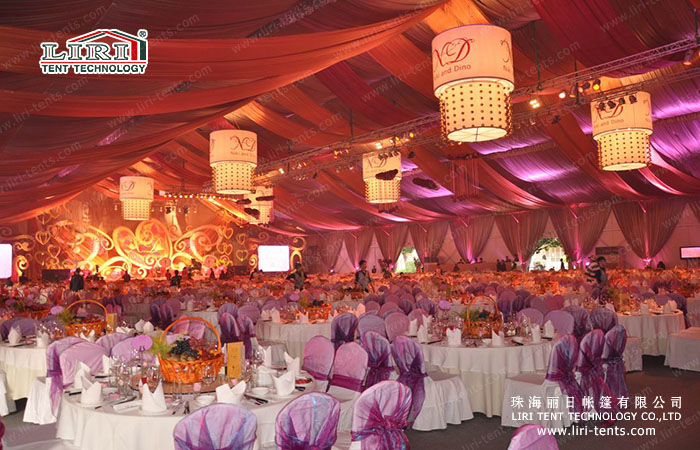
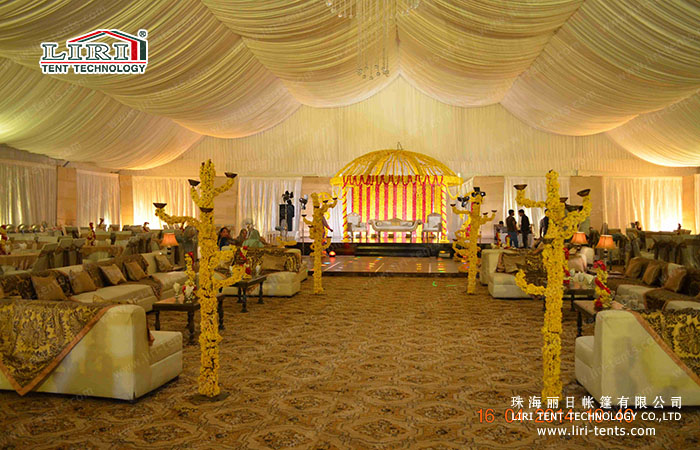
One advantage of modern wedding tents is their blank interior. Draped fabric ceilings in silk or satin transform the space into a banquet hall. For budget-conscious planning, tips for renting a lower-cost wedding tent can help allocate more of the budget to decor. Floral installations, hanging gardens, and crystal chandeliers attach directly to the frame cross-beams without additional support structures.
LED wall washing lights placed around the tent perimeter change color to match each event segment — warm gold for the ceremony, vibrant pinks and oranges for the sangeet, and soft white for the reception dinner. Side walls can be lifted to open the tent to garden views or lowered to create an intimate enclosed environment.
For couples who want a semi-outdoor experience, clear-top roof panels and open side walls let the natural landscape become part of the decor. A beachside wedding in a transparent-roof tent, for example, keeps the ocean breeze flowing while providing shade from direct sun.
Frequently Asked Questions
What size tent is needed for a 300-guest Indian wedding?
A 15-meter by 25-meter tent comfortably seats 300 guests banquet-style with a stage and dance area. Add 20 percent more space if you plan separate dining and lounge zones.
Can wedding tents handle monsoon rain?
Yes. Modern PVC covers are waterproof and seam-sealed. A peaked roof design with proper tensioning sheds water effectively. Using high-quality waterproof tent fabric ensures the interior stays dry even during heavy downpours.
How long does it take to install a large wedding tent?
A professional crew can erect a 400-square-meter tent in 6 to 8 hours. The same crew dismantles it in about 4 hours.
Are custom roof shapes available?
Most manufacturers offer custom roof designs including multi-peaked, pagoda-style, and asymmetrical forms. Custom designs typically add 2 to 3 weeks to the production timeline.
Indian wedding tents have moved beyond simple shelters to become integral parts of the celebration experience. By selecting the right size, roof style, and climate features, event organizers can create venues that match the grandeur and warmth of Indian wedding traditions.
→ Browse India Wedding Tent Collection
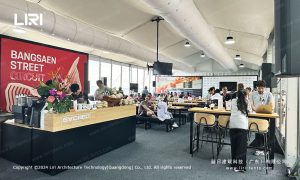
For a complete wedding structure brief, compare wedding marquee styles and use the Wedding Tent Planning guide to align design choices with guest flow, site access, and event layout.
Check India wedding tent options while filling out the form.
Hot Products


For a complete wedding structure brief, compare wedding marquee styles and use the Wedding Tent Planning guide to align design choices with guest flow, site access, and event layout.