Why More Couples Are Choosing Wedding Marquees
A wedding marquee offers a level of flexibility that traditional hotel ballrooms and banquet halls cannot match. Instead of fitting your guest list into a fixed floor plan, you choose the location, the layout, and the atmosphere. Whether it is a garden, a beachfront lawn, a vineyard, or a family farm, the marquee becomes the centerpiece that defines the event.
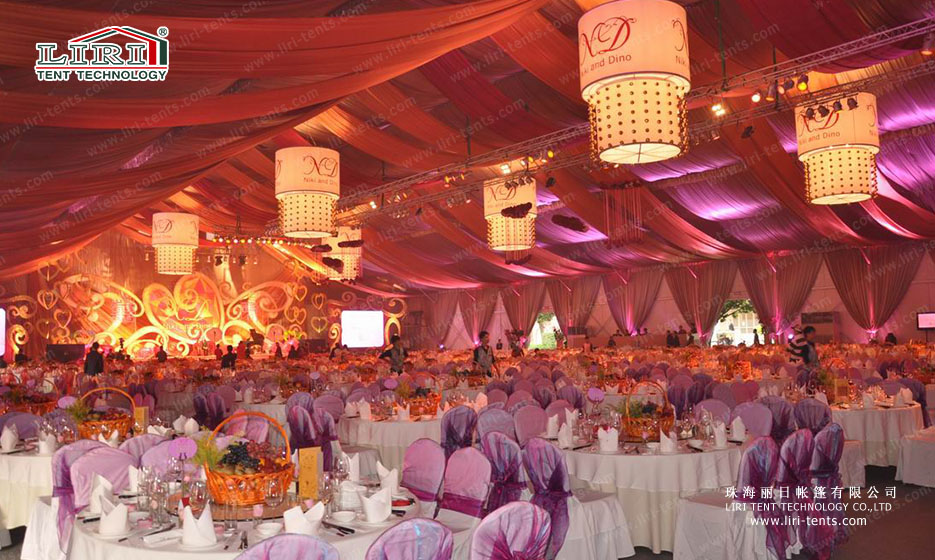
Young couples in particular value the ability to personalize every detail. A blank canvas structure allows them to bring their own decor, lighting, furniture, and catering without fighting against an existing interior design. This freedom is one of the main reasons the wedding marquee category has seen steady growth across Europe, Australia, and North America over recent years.
1. Design Freedom and Visual Impact
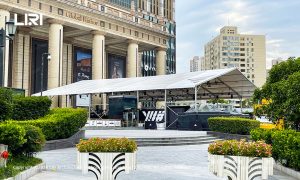
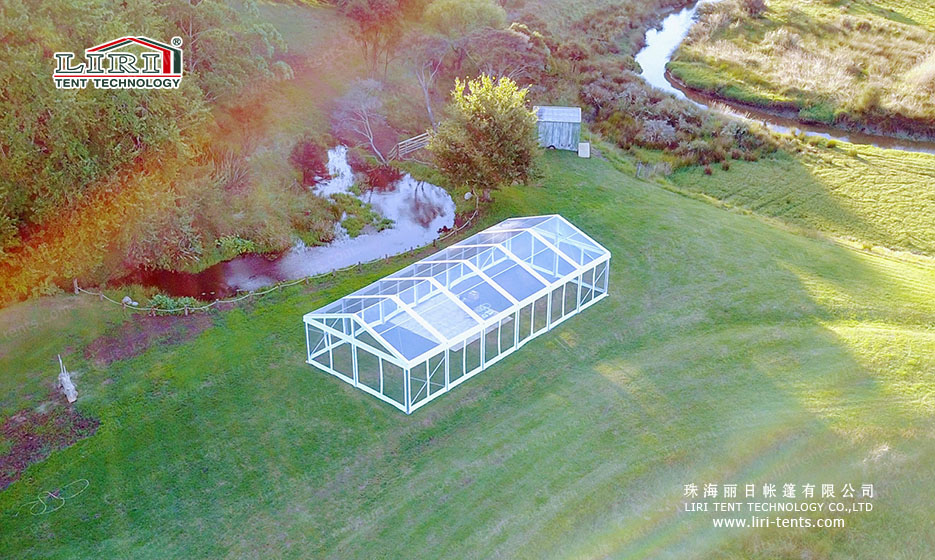
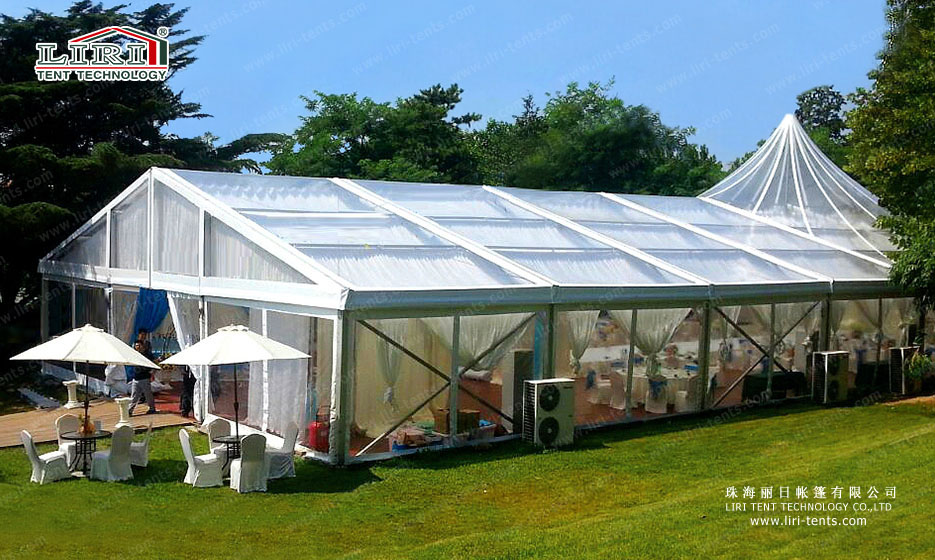
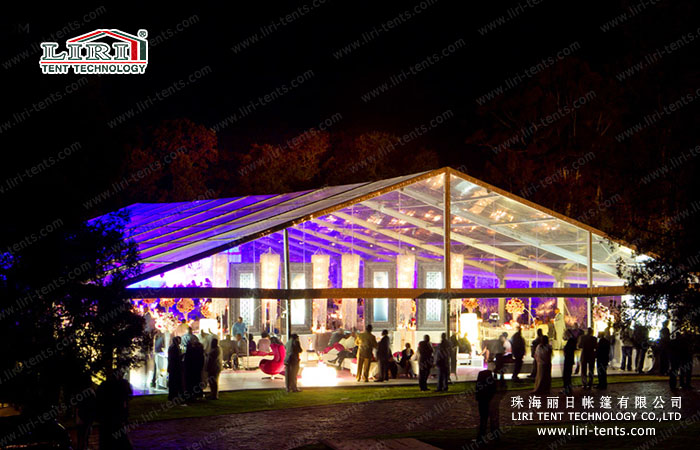
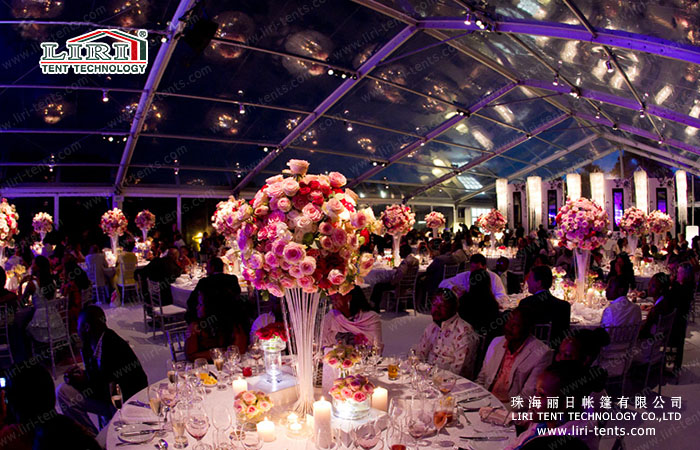
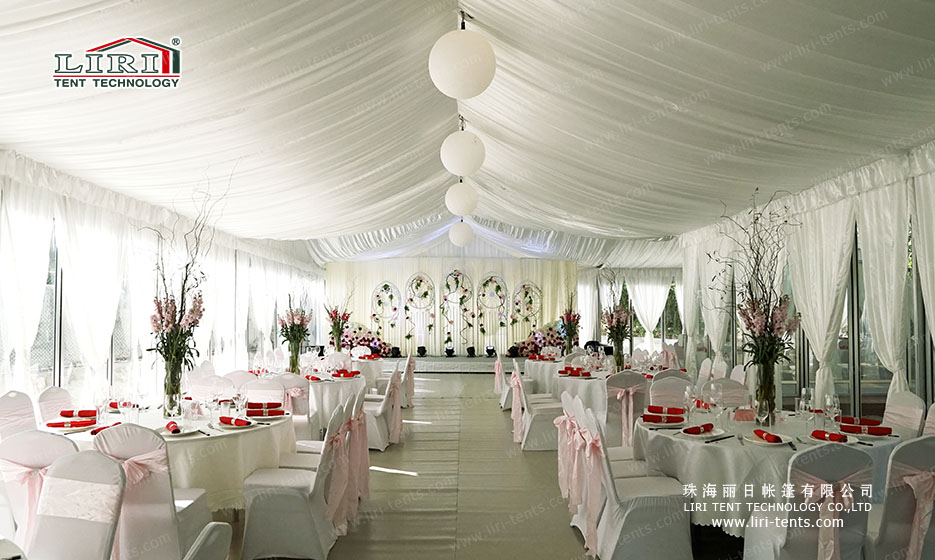
A marquee is essentially an empty shell waiting to be transformed. You can choose from clear-span frames for unobstructed interior space, high-peak designs for dramatic ceiling height, or traditional pole tents for a classic look. Each style creates a different mood — transparent roofs flood the space with natural light during daytime receptions, while opaque white fabric provides a clean backdrop for uplighting and floral arrangements after dark.
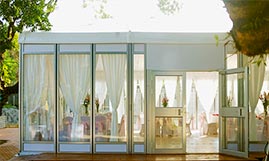
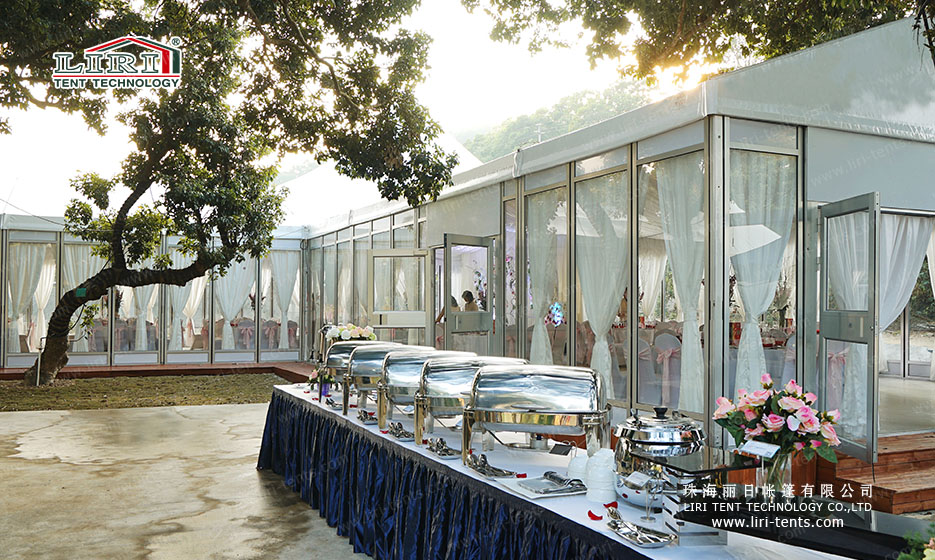
The exterior is equally flexible. Side walls can be left open for a breeze and views, fitted with clear PVC windows, or enclosed with lined fabric for climate control. Many marquee designs include gable ends that can be raised to create a semi-open pavilion effect, blending indoor comfort with outdoor ambiance.
Compared to a fixed venue, the marquee lets you stage the ceremony, cocktail hour, and reception in separate zones within the same structure — or across connected tents for larger guest counts. This zoning capability is especially valuable when the weather forecast is uncertain, as everything stays under one roof.
2. Budget-Friendly Without Sacrificing Quality
Wedding costs have risen across the board, but a marquee-based celebration often comes out ahead. Traditional venues typically charge a venue hire fee that covers little more than four walls and a dance floor. With a marquee, that same budget goes toward a structure designed specifically for your event, and you control where the money is spent.
Rental options make the upfront cost even more accessible. Most suppliers offer weekend packages that include delivery, setup, and takedown. The tent rental route is particularly attractive for couples who want a premium feel without the long-term commitment of purchasing the structure outright. Second-hand marquees are another option for those planning multiple family celebrations over several years.
Catering costs can also be managed more effectively when you bring in your own vendors rather than being locked into an in-house menu at a hotel venue. Because the marquee sits on a chosen site, you avoid the per-plate surcharges that many traditional venues add for external catering providers.
3. Fast Setup and Practical Performance
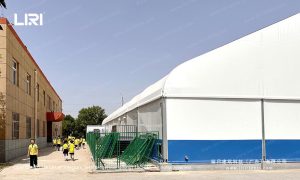
Modern marquees are engineered for speed. A 15-meter by 30-meter clear-span marquee tent can be erected by a professional crew of 8 to 10 workers in a single day. The aluminum frame sections bolt together without welding, and the PVC roof and side walls are tensioned into place using ratchet straps. At the end of the event, the entire structure can be disassembled and packed away in roughly half the setup time.
This rapid turnaround matters for venues that host events back-to-back. A park or garden may only be available from Friday afternoon, leaving a narrow window for setup.
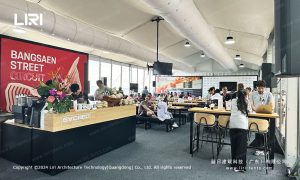
Space utilization is another performance advantage. Clear-span marquees have no center poles, which means tables, dance floors, stages, and bars can be arranged without obstruction. Guests move freely across the full width of the tent, and sightlines to the head table or stage remain clear from every seat. For a 1,000-square-meter marquee, the usable floor area is close to 100 percent of the footprint — something that pole tents with interior supports cannot match.
Safety standards are built into every component. Aluminum frames are engineered to local wind and snow load codes, PVC covers carry fire-retardant certifications, and anchoring systems are selected based on ground conditions. A properly installed outdoor wedding marquee withstands strong winds and heavy rain, giving couples peace of mind regardless of the weather.
4. Transport and Storage Convenience
When the celebration ends, the marquee does not become a permanent fixture. The frame disassembles into sections that fit into standard shipping containers or truck beds, and the fabric folds into compact storage bags. This portability earned the marquee its label “mobile real estate” — a full-function venue that can be relocated to a new site within days.
For rental companies, this means one inventory serves multiple events across different locations. A marquee used for a wedding on Saturday can be installed at a corporate function on Tuesday, then packed away for storage until the next booking. The aluminum frame is rated for hundreds of assembly cycles, and the PVC fabric, with proper cleaning and dry storage, maintains its appearance for five to seven years of regular use.
A well-maintained marquee also retains resale value. The second-hand market for aluminum frames is active, with used structures typically selling at 40 to 60 percent of their original price depending on condition and age. This makes a marquee purchase not just an event expense but an asset that can be recovered later.
Frequently Asked Questions
How far in advance should I book a wedding marquee?
Popular sizes and dates book out 3 to 6 months ahead during the peak wedding season. Contact suppliers as soon as you have a venue and date confirmed.
Can a marquee be heated or air-conditioned?
Yes. Most clear-span marquees have integrated HVAC mounting points. Portable chillers or heaters can be connected through the side walls without damaging the fabric.
What size marquee do I need for 150 guests?
A 12-meter by 18-meter marquee provides comfortable seating for 150 guests banquet-style, with room for a dance floor and buffet table.
Do marquees require planning permission?
Temporary structures under a certain size (typically under 100 square meters) are exempt in most jurisdictions. Larger marquees may require a temporary event permit. Check with your local council or the supplier for specific requirements.
From design flexibility to practical performance, a wedding marquee combines the top elements of indoor comfort and outdoor charm. Whether you are planning an intimate garden gathering or a large-scale celebration, the right marquee transforms any location into a memorable venue.
Browse wedding venue tent options while you fill out the enquiry form below.
For more information on how to plan your outdoor wedding venue, contact our team through the form above.