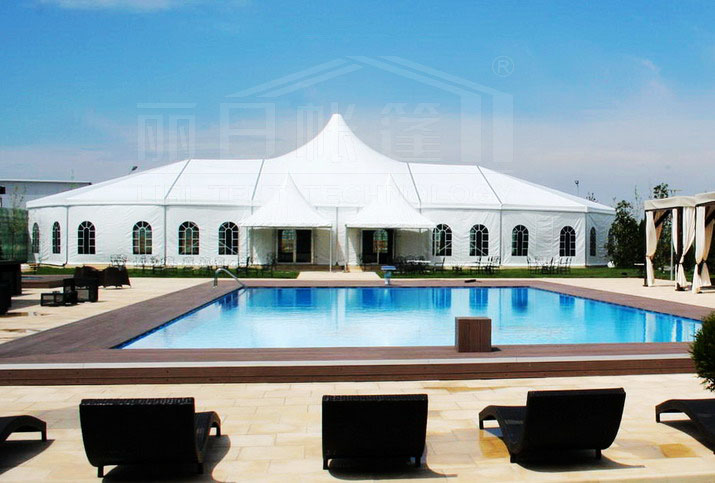
A beautiful wedding tent is only part of a successful outdoor reception. Guest comfort matters just as much, especially in hot, humid, or changeable weather. When the structure is matched with the right air-conditioning or ventilation strategy, the venue becomes easier to use for long ceremonies, formal dining, and evening celebrations.
For planners and venues, the tent and the climate-control plan should be chosen together. A structure may look elegant in photos, but if the interior becomes too warm or uncomfortable, the event experience drops quickly.
Why climate control matters in a wedding tent
Outdoor receptions often include long guest dwell times, stage lighting, catering heat, and large seated dining areas. In those conditions, the tent needs to do more than provide cover from sun or rain. A stable indoor climate helps guests stay comfortable and allows the venue to function more like a formal event hall.
This is especially important for larger receptions, destination weddings, and hospitality venues that expect a premium guest experience from arrival to the last part of the evening.
How tent size affects air-conditioning choice
The correct air-conditioning plan depends on the total covered area, guest count, sidewall configuration, weather exposure, and how enclosed the structure will be. A smaller tent used for ceremony seating may need a different solution than a fully enclosed banquet structure with lining, lighting, and dense seating.
That is why buyers should confirm both the structure size and the climate-control goal before choosing accessories. If you need to compare tent styles and event configurations first, review our wedding tent products page and the wedding marquee category.
What buyers should prepare before asking for a solution
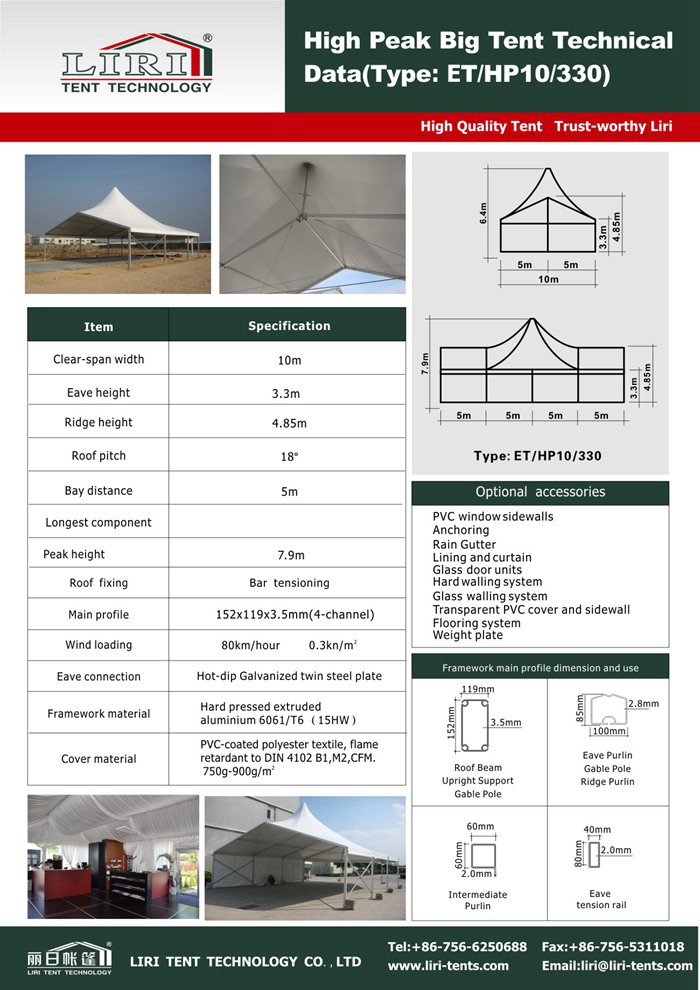
Prepare the expected guest count, structure dimensions, event season, venue location, and whether the tent will be fully enclosed. This makes it easier to recommend the right air-conditioning capacity and the most suitable tent layout for guest comfort.
For projects that need a more complete venue plan, you can also review our wedding tents rental section or contact us for guidance.
Plan for Heat, Rain, Wind, and Cold
Weather planning should begin with the structure, wall configuration, anchoring method, and site conditions—not with HVAC equipment alone. A comfortable outdoor wedding tent needs a coordinated plan for temperature, airflow, drainage, wind exposure, and emergency access.
Heat and Humidity
Transparent roofs and enclosed wall systems can increase heat gain during daytime events. Confirm the event time, guest density, lighting load, catering heat, ventilation openings, and whether the tent will remain fully enclosed. Cooling equipment should be sized only after these details are known.
Rain and Drainage
Rain protection depends on more than waterproof roof fabric. The installation plan should also address roof runoff, entrance protection, flooring height, low points in the venue, cable routes, and safe guest movement between the tent and support areas.
Wind and Anchoring
Wind requirements vary by tent model, wall configuration, site exposure, and local rules. Sidewalls can change how wind acts on the structure, so anchoring and ballast must be specified for the actual site. Request the applicable engineering documents and follow local authority and installer requirements.
Cold-Weather Events
For cooler seasons, plan heating together with wall closure, entrance control, flooring, condensation management, and safe equipment clearances. Guest comfort also depends on how often service doors open and whether catering or back-of-house areas connect directly to the main venue.
Information to Prepare
- Venue country, season, event time, and expected weather range
- Tent dimensions, guest count, seating layout, and enclosure level
- Ground surface, drainage, access, anchoring restrictions, and nearby buildings
- Stage, lighting, catering, bar, and other internal heat loads
- Local permit, fire, exit, and temporary-structure requirements
Start with the wedding tent planning guide and send the site information through the project enquiry form for a structure-specific recommendation.
Wedding tent comfort FAQ
When is air conditioning most important in a wedding tent?
Air conditioning matters most for enclosed receptions, hot-weather events, long dining schedules, and large guest counts where interior temperature can rise quickly.
Should the air-conditioning system be planned after the tent is chosen?
It should be planned alongside the tent size and enclosure strategy. The structure dimensions, wall systems, and guest capacity all affect the right cooling solution.
Can a wedding tent still look elegant with climate-control equipment?
Yes. A well-planned commercial setup can balance comfort and presentation, especially when equipment placement is considered early in the venue layout.