
A wedding tent usually arrives as a frame and a cover, not as a finished room with a floor. What your guests stand on is a separate choice, and it quietly shapes the whole day. Dry grass can feel lovely under a summer marquee, while a laid floor keeps shoes clean and tables steady after rain.
This guide explains the surfaces you are likely to meet, what a floor really adds, and the questions worth asking before you order. You will know what to expect on the day and what to check in the quote.
The floor is a separate part of the order
Most wedding tents are sold as a frame, a roof cover and the parts that hold them together. The frame is a metal skeleton, usually aluminium, that carries the cover. Because it holds the roof up from the edges, no pole stands in the middle of the room, which people call a clear span.
That open space is why long tables and a dance area work so well inside. The ground underneath is a different matter. Some couples picture a smooth floor because the photographs they have seen show one.
In those pictures the floor was added for the event, and it is normally listed as its own item. A floor system is simply a level platform laid over the ground, so guests walk on a firm, even surface instead of soil or paving. That is why wedding tent flooring is worth deciding early, not in the week before the event.
Before you compare prices, find out whether a floor is included at all. Two quotes can look very different when one covers only the tent and the other includes the platform, the carpet and the work to fit them. Our wedding marquee range shows the common shapes and sizes.
When grass on its own is enough
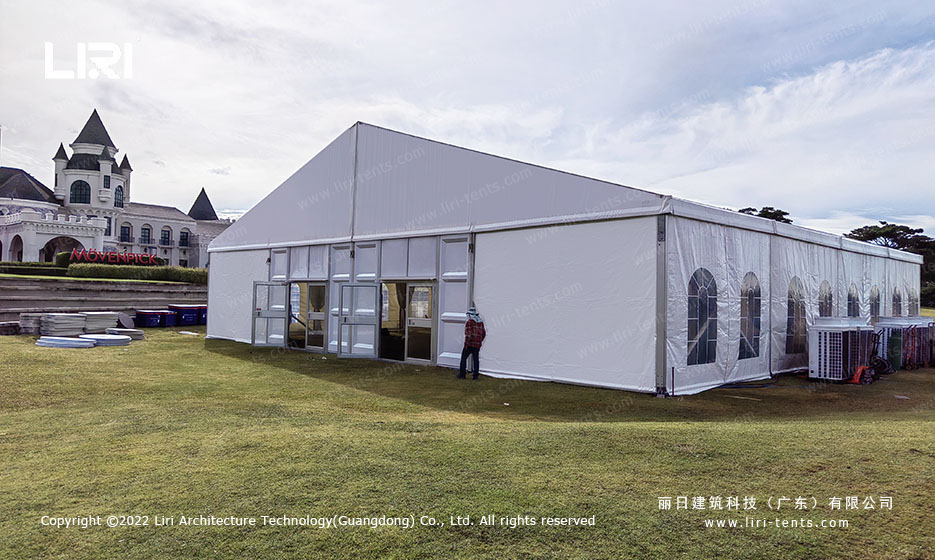
A firm, dry lawn can be a perfectly good floor for a relaxed afternoon wedding. Guests can walk on it, chairs sit steady enough, and the space feels like a garden rather than a hall. It also costs nothing and keeps the tent cool on a warm day.
Think of a small family ceremony in June, with flat shoes, a few round tables and no dancing until after sunset. The same lawn tells a different story after a wet week. Heels sink into soft ground, table legs tilt, and a guest using a wheelchair or a walking frame may struggle to cross it.
A slope adds another problem, because a glass or a chair will show it immediately. Mud at the entrance is the detail guests remember most, even when the rest of the day goes well.
Ask three plain questions about your own site. Has it rained in the days before the wedding, and does the ground drain quickly?
How many people will walk across the same patch of lawn in one hour? Will older guests or anyone with a pushchair need a firm path from the car to their seat?
What a laid floor actually gives you
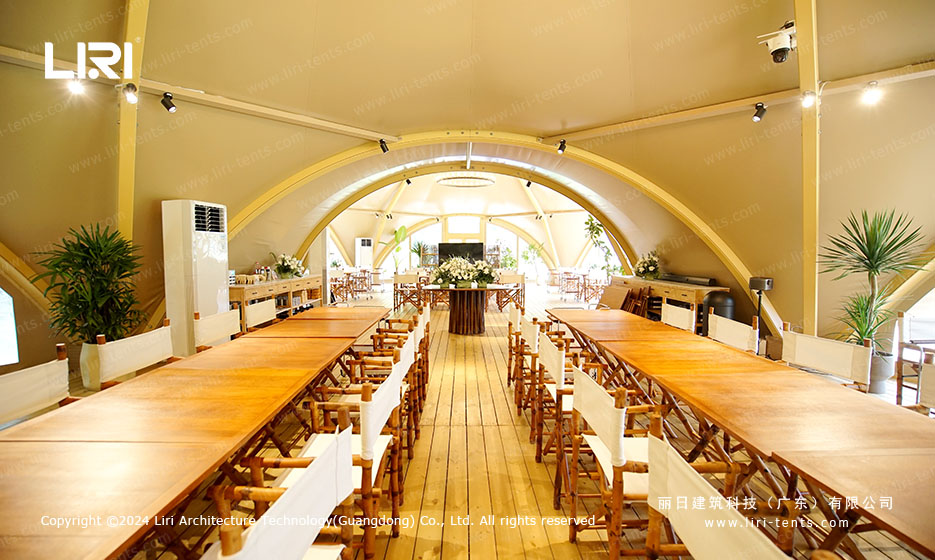
The most common choice is a level platform of boards or panels, fitted together over the ground. It can be covered with a roll of carpet or vinyl, which is a smooth sheet that wipes clean. Some events add a separate dance floor, a set of small panels joined together where the band plays. You can see how wooden floor systems are put together in our flooring guide.
It makes the ground flat, so tables do not rock. It keeps feet dry and clean when the lawn is damp. It gives you a clear walkway from the door to the top table. It also hides grass, paving joints or an uneven patio that would otherwise show in every photograph.
Picture a formal dinner in a tent with a pale grey floor and a wide central aisle. Guests arrive, find their seats and reach the bar without watching where they step. The room reads as a finished space, not a field with a roof over it. That difference is hard to appreciate from a product photo and easy to feel in person.

Hard ground, slight slopes and wet days
Not every wedding is held on grass. A hotel terrace, a courtyard or a paved garden gives you a hard surface that is already level. It is friendly to chairs and heels, and you may not need a platform at all.
The trade-off is fixing the tent down: on soil the frame is held with long stakes, while on paving heavy weights are used instead. Weights are simply blocks that hold the frame steady without drilling into the ground.
A slight slope is worth mentioning early. A floor system can level out a gentle rise, but the crew needs to know before they arrive. Rain matters too, because water usually arrives from the sides and the entrance rather than through the roof.
A mat at the door, a little thought about where the ground sheds water, and keeping the cake table off the lowest corner are small, practical steps. Our page on a marquee set on a lawn shows how the ground changes the setting.
A short note on safety
Two quick checks are worth keeping in mind. Tell the crew what the surface is, so the frame is held down the right way.
Keep floor edges flat, and tape down any cable that crosses a walkway. After rain, look at the entrance and any step before guests arrive. These are ordinary precautions, not a complicated process, and they help everyone move around comfortably.
Small extras people forget, and what to ask
Carpet, entrance mats, edge trims and a dance floor are often priced separately from the platform. Ask who supplies them and who fits them, and whether they arrive with the tent. Ask when the floor goes in, so you have time to place tables without rushing.
Keeping the floor and the frame on the same order helps the parts fit together. Write down a few simple questions before you talk to a supplier.
Is the floor included, and what exactly does it cover? Is the site level, and what will hold the frame down? Are carpet, steps and a dance area extra, and who lays them? Will the floor still be comfortable if the weather turns?
If you send us your site details and the date you have in mind, we can put a clear list together for you. A wedding tent gives you covered space. The ground beneath it is a choice you make for the day you have planned.
Grass suits a dry, relaxed afternoon, while a laid floor suits a formal dinner, a soft lawn or a guest list that includes people who need a firm path. Once you know what is underfoot, you can read a quote properly and order only what your site actually needs.